Hey, I’ve been thinking about the Office lately and wanted to share some discoveries…
You know, for many of us, the office is where we spend a huge chunk of our waking hours. It’s more than just a place to get work done; it’s a space where we connect, create, and contribute. Sometimes, though, it can feel a bit… sterile, or overwhelming, right? I’ve been on a personal quest to make my own
It’s all about creating a space and adopting habits that support you, rather than drain you. Whether you’re in a bustling open-plan setup, a quiet cubicle, or even a shared co-working space, there are always ways to make it feel more like ‘your’ spot, a place where you can thrive. Let’s dive into some practical, friendly advice that I’ve picked up along the way, focusing on making your
Crafting a Positive Office Environment
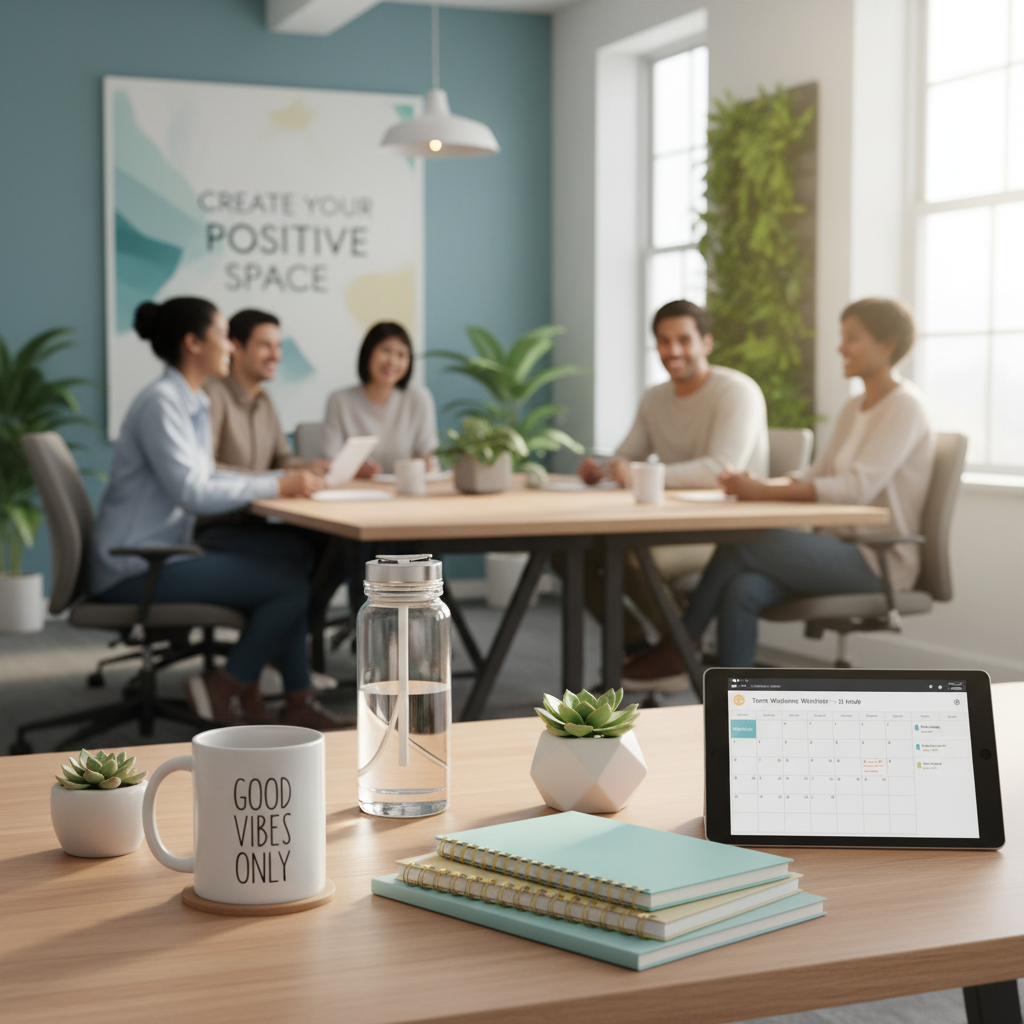
First things first, let’s talk about the physical space. Our surroundings have such a profound impact on our mood, focus, and overall energy. I used to think my office was just ‘a desk,’ but it’s so much more than that. It’s where ideas are born, challenges are met, and progress is made. Making it a positive place is step one.
Personalizing Your Space for Comfort and Focus
Even if you have limited space, personal touches can make a world of difference. I’m not talking about turning your desk into a shrine, but adding things that bring you a little joy or comfort. For me, it’s a small plant – nothing fancy, just a little bit of green to bring some life in. I also have a favorite mug that makes my morning coffee ritual feel a bit more special. Photos of loved ones, a meaningful quote, or even a small, calming desk ornament can subtly shift the
Organizing for Peak Workplace Productivity
Oh, the never-ending battle against clutter! I’m definitely not a minimalist by nature, but I’ve found that a tidy workspace significantly impacts my ability to focus. When my desk is a mess, my mind often feels scattered too. I try to spend 5-10 minutes at the end of each day doing a quick tidy-up. Putting things back where they belong, filing away papers, and clearing my screen makes a huge difference. It means I start the next day with a clean slate, ready to tackle tasks without the immediate distraction of yesterday’s mess. This simple habit has been one of my most
Boosting Your Workplace Productivity and Flow
Beyond the physical space, how we manage our time and energy within that space is crucial. We all want to feel like we’re making progress, not just spinning our wheels.
Tackling Distractions in Your Daily Office Life
Distractions are everywhere, aren’t they? From constant notifications to colleagues popping over for a quick chat, it can be hard to get into a deep work flow. I’ve found a few strategies that help. One is setting specific ‘focus times’ where I silence notifications and put on some instrumental music. During these times, I’ll even put a little sign on my desk that says, ‘Deep Work in Progress’ (in a friendly way, of course!). It signals to others that I’m trying to concentrate, and they usually respect it. Another thing I do is batch small tasks – like answering emails or making quick calls – so they don’t constantly interrupt my flow throughout the day. This really helps to streamline my
The Power of Breaks for Office Well-being
This one might sound counterintuitive for
Prioritizing Your Office Well-being
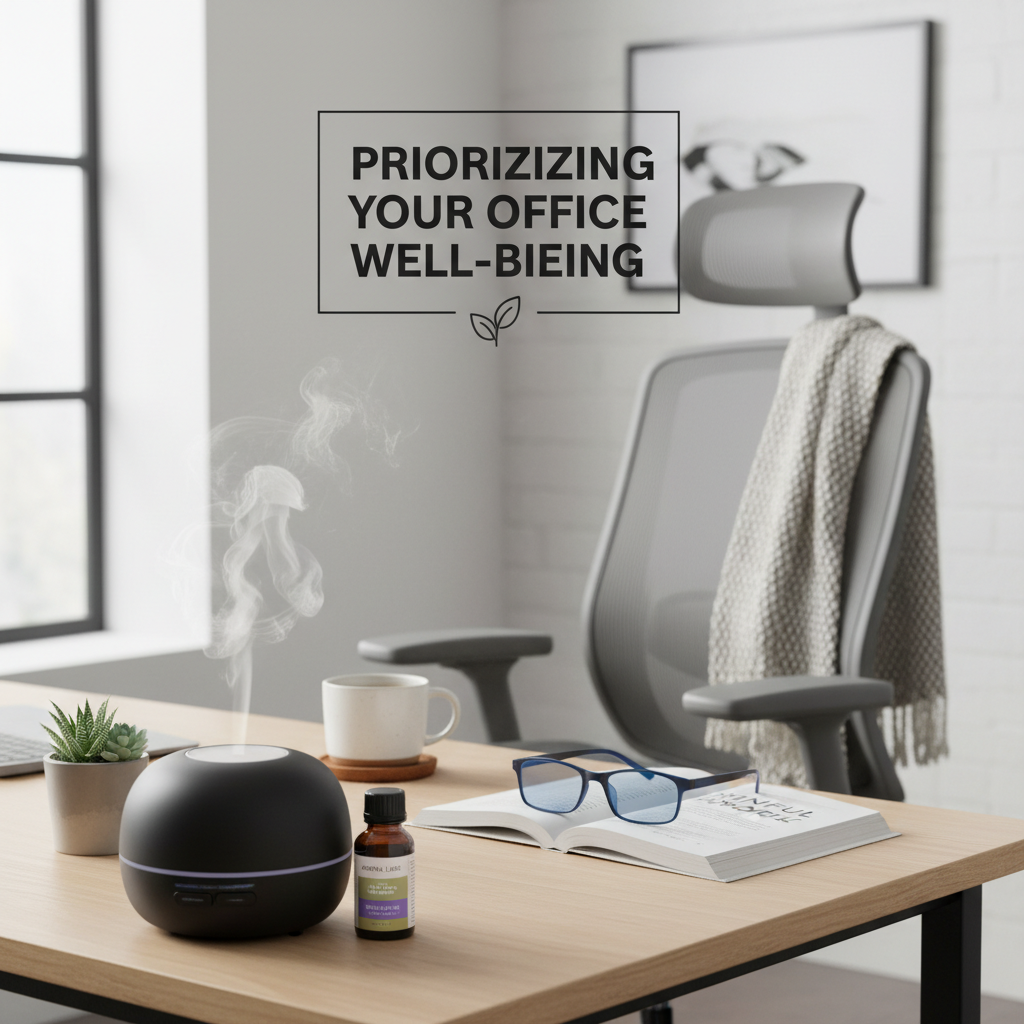
It’s not just about getting things done; it’s about feeling good while you’re doing them. Our health and happiness directly impact our ability to work effectively.
Building Connections and Setting Boundaries
The social aspect of the office is so important. Building positive relationships with colleagues can make the
Movement and Mindfulness in the Office Environment
Sitting all day isn’t great for anyone, is it? I try to incorporate movement whenever I can. Taking the stairs instead of the elevator, standing up during phone calls, or even doing a few stretches at my desk. There are also simple mindfulness practices that can help. When things get hectic, just taking three deep breaths can calm my nervous system. Sometimes, I’ll take a minute to just notice what I can see, hear, and feel around me – it grounds me and helps me regain perspective. These are simple yet
Navigating Daily Office Life with Effective Office Strategies
The office is a dynamic place, and learning how to navigate its complexities smoothly is a huge asset.
Communicating Clearly and Collaborating Effectively
Good communication is the backbone of any successful team. I’ve learned that being clear and concise in my messages, whether written or spoken, saves so much time and avoids misunderstandings. When collaborating, actively listening to others’ ideas and being open to different perspectives creates a much more positive and productive
Continuous Learning and Growth
The world of work is always evolving, and so should we! I try to embrace opportunities to learn new skills, whether it’s through online courses, workshops, or just by observing and asking questions. Staying curious and open to growth not only keeps things interesting but also makes you a more valuable team member. It’s one of the most
These are some of my experiences, hope they bring you some inspiration. Making the office a place where you can truly thrive is a journey, not a destination. It’s about being intentional with your space, your time, and your relationships. By focusing on your