Hey everyone, I’ve been thinking a lot lately about how much everyday technology shapes our lives, and I wanted to share some thoughts on how we can make it work for us, instead of sometimes feeling overwhelmed by it. You know, it’s incredible how many smart gadgets we interact with daily, from our phones to our watches, and it really got me reflecting on our digital well-being and how we can cultivate better tech habits.
It feels like we’re constantly plugged in, doesn’t it? And while that connectivity is amazing, it also brings its own set of challenges. I’ve personally experienced the highs and lows of living in this digital age, and I’ve learned a few things that have really helped me find a better balance. So, let’s chat about how we can approach our relationship with technology in a way that truly enhances our lives.
Embracing Everyday Technology Thoughtfully

One of the biggest shifts for me has been moving from passively consuming everyday technology to actively choosing how and when I engage with it. Think about it: our phones, computers, and even our smart home devices are constantly vying for our attention. It’s easy to just let them dictate our day.
I remember a time when I would just mindlessly scroll through feeds whenever I had a spare moment – waiting in line, during commercials, even sometimes when I was supposed to be relaxing. It wasn’t really bringing me joy or making me feel productive; it was just… filling time. But when I started to think about what I truly wanted to achieve with my everyday technology, things began to change.
For instance, I now use a mapping app not just to get from point A to point B, but to discover new walking trails or local cafes I wouldn’t have found otherwise. Or, instead of just browsing endlessly, I use video calls to connect with a friend who lives across the country, turning a passive activity into a meaningful interaction. It’s about being intentional. Before you open an app or pick up a device, take a quick second to ask yourself: \
Finding Your Digital Well-being
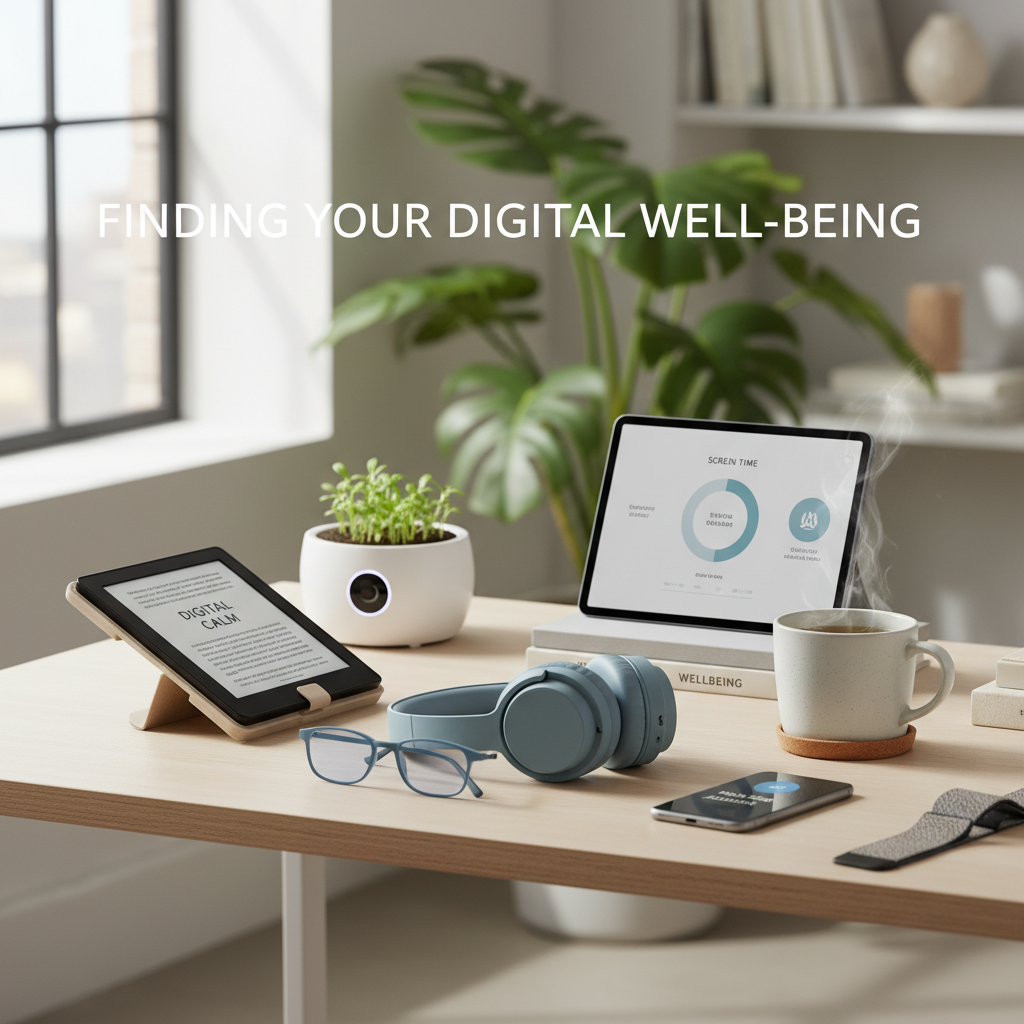
This is a big one, isn’t it? Our digital well-being is so crucial, and it’s something I’ve had to really work on. The constant pings, notifications, and the feeling that you ‘have’ to respond immediately can be incredibly draining. There was a period where I felt like I was constantly on call, even when I wasn’t at work. Every notification felt like an urgent demand, and I found myself struggling to truly relax or focus.
It took a conscious effort to reclaim my time and peace of mind. I started by turning off all non-essential notifications on my phone. Seriously, almost everything went silent. I realized that very few things actually require an immediate response, and most can wait until I’ve decided to check my messages or emails. It was amazing how much quieter my day became, and how much more I could focus on the task at hand or simply enjoy the moment.
Another thing I found incredibly helpful for my digital well-being was establishing ‘no-phone’ zones and times. For example, my bedroom is now a phone-free zone, especially an hour before bed. And during meals, everyone in my household puts their phones away. It’s a small change, but it makes a huge difference in fostering real connection and allowing for genuine downtime. These boundaries aren’t about avoiding technology entirely, but about making sure it serves us, rather than dominating our lives. Prioritizing your digital well-being means taking control of these small, everyday interactions.
Smart Gadgets and Simple Living
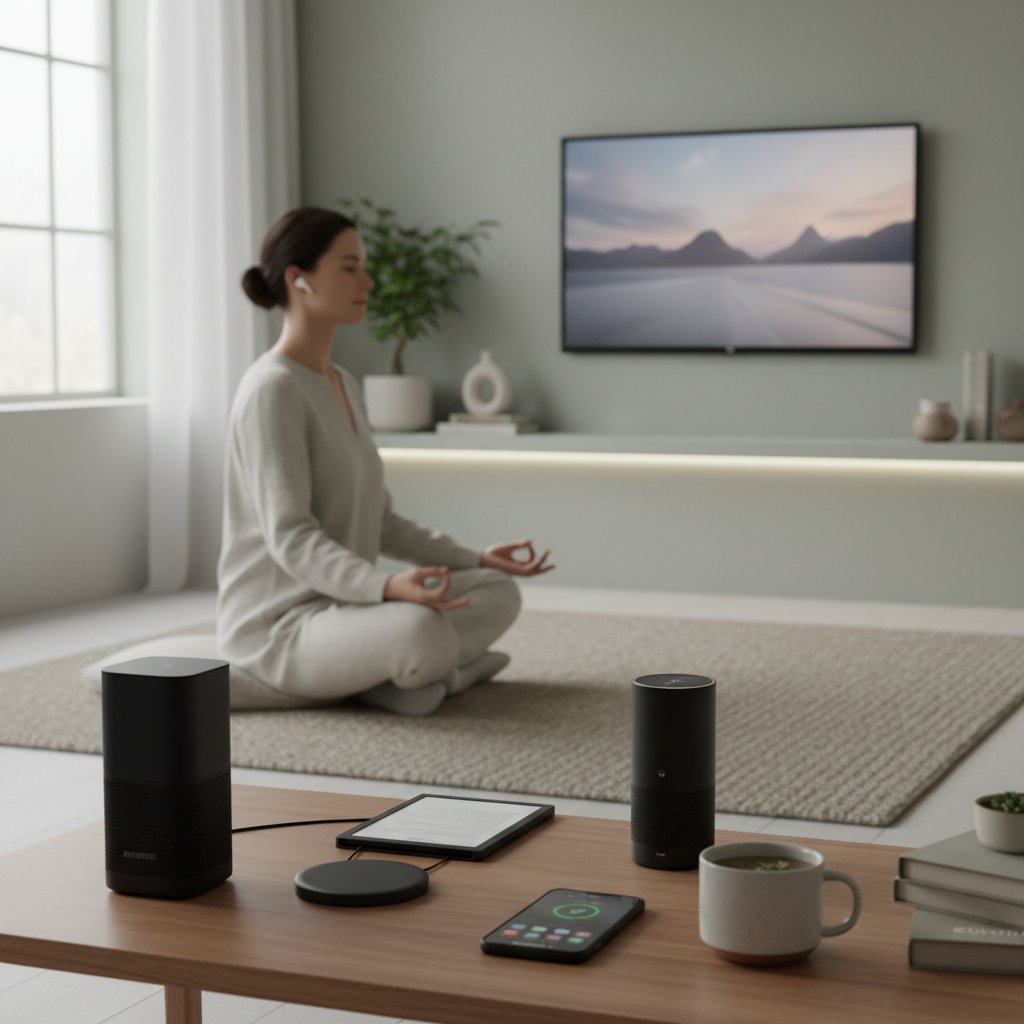
Oh, smart gadgets! They can be such a double-edged sword, can’t they? On one hand, they promise to simplify our lives, automate tasks, and keep us connected. On the other hand, it’s easy to get caught up in the hype, accumulate too many devices, and end up with more complexity than simplicity.
I’ve certainly been there. I remember getting really excited about a new smart home device that promised to automate everything from my lights to my coffee maker. While some aspects were genuinely helpful – like a smart speaker for quick weather updates or setting kitchen timers – others felt like overkill. I realized I was spending more time troubleshooting connections or trying to integrate different apps than I was actually enjoying the “convenience.
My advice now is to be really intentional when considering new smart gadgets. Before you buy something new, ask yourself a few questions: Does this truly solve a problem I have? Will it genuinely make my life easier or more enjoyable? Or is it just a novelty? Sometimes, the simplest solutions are the best, and not every aspect of our lives needs to be “smart.
Building Better Tech Habits
Ultimately, it all comes down to our tech habits. It’s not about demonizing technology; it’s about consciously shaping how we interact with it. Just like any other habit, building better tech habits takes a little effort and consistency, but the payoff for your digital well-being is immense.
I’ve found that starting small is key. Instead of trying to overhaul everything at once, pick one tech habit you want to change and focus on it for a week or two. Maybe it’s not looking at your phone first thing in the morning, but instead, enjoying a quiet cup of coffee or reading a physical book. Or perhaps it’s designating specific times for checking emails and messages, rather than letting them interrupt your flow throughout the day. For me, creating a “digital sunset
Another great practice is taking regular digital detoxes, even if it’s just for a few hours on a weekend. Go for a walk without your phone, spend time with loved ones without any screens present, or dive into a hobby that doesn’t involve a device. These moments of disconnection can be incredibly refreshing and help you appreciate the benefits of everyday technology even more when you return to it. It’s all about creating intentional tech habits that serve your lifestyle and goals.
These are just some of my thoughts on how we can better integrate everyday technology into our lives, focusing on our digital well-being and building healthy tech habits. Smart gadgets can be wonderful tools, but ultimately, it’s our choices and habits that shape our experience. I hope these suggestions bring you some inspiration and help you feel more in control of your digital world. What do you think? I’d love to hear your experiences too!