
Hey everyone, I’ve been thinking a lot about our office environment lately and wanted to share some discoveries and experiences. You know, for many of us, the office is where we spend a huge chunk of our waking hours. It’s not just a place where we get things done; it’s a space that can genuinely impact our mood, our energy, and even our overall well-being. And whether you’re working in a bustling open-plan office, a cozy cubicle, or even a home office setup, making that space truly work for you is so important for creating a truly productive workspace.
I remember a time when my desk was just a pile of papers and forgotten coffee mugs. My mind felt as cluttered as my surroundings, and honestly, getting started on anything felt like climbing a mountain. It wasn’t until I consciously started to think about my personal office environment that things really shifted for me. It’s amazing what a difference a few small changes can make, not just in how much you accomplish, but in how you *feel* while doing it.
Crafting Your Personal Productive Workspace
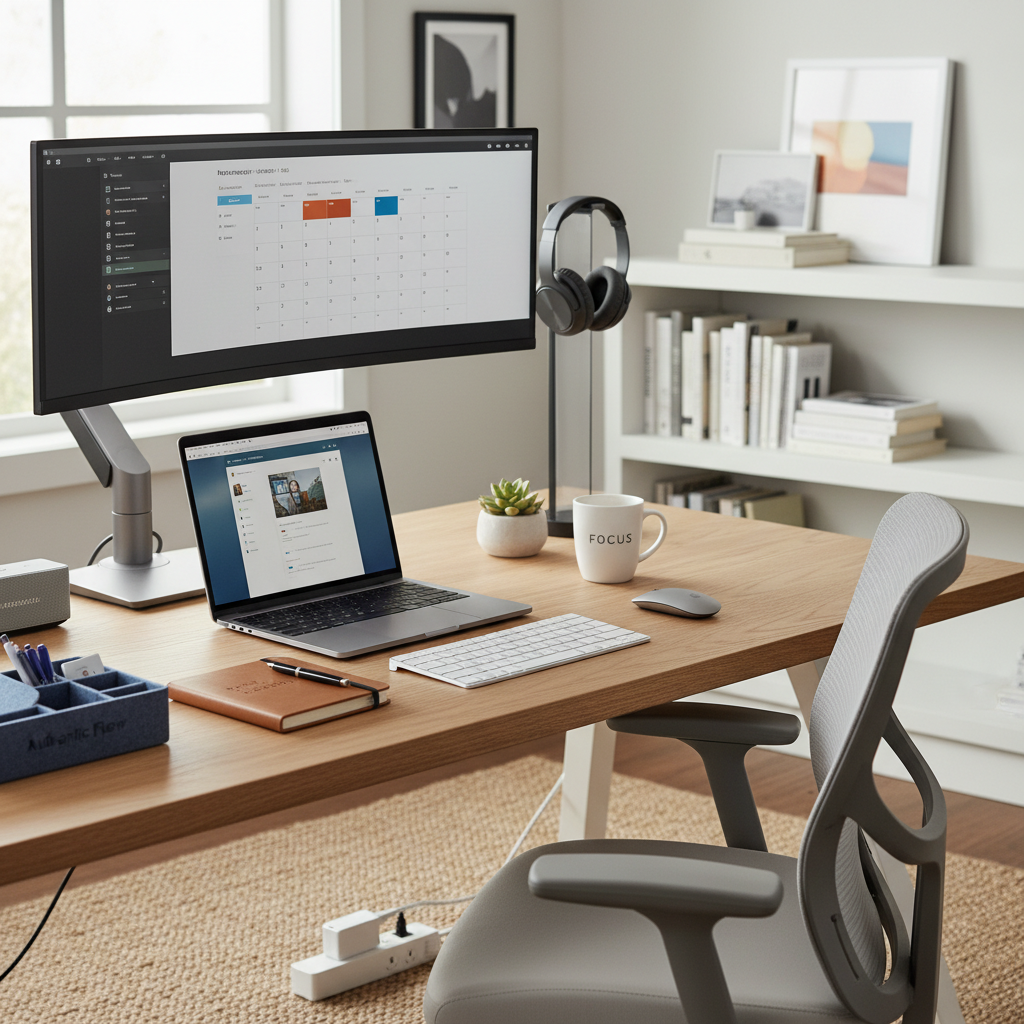
Let’s talk about the physical space first. This is where we can make some really tangible improvements. Think about your desk, your chair, and even the air around you. These might seem like small details, but they add up to a significant impact on your comfort and ability to focus.
Ergonomics: Your Body Will Thank You
I can’t stress this enough: a comfortable office setup is non-negotiable. If you’re hunching over a laptop or perched on an uncomfortable chair for hours, it’s going to catch up with you. I learned this the hard way with a persistent crick in my neck!
- Chair Comfort: Invest in the best office chair you can. Seriously. Adjustable lumbar support, armrests, and seat height can make a world of difference. It’s about supporting your posture and preventing aches and pains that distract you from your work.
- Desk Height: Your forearms should be parallel to the floor when you’re typing. If your desk isn’t adjustable, consider a monitor stand to bring your screen to eye level and a keyboard tray if needed. This helps maintain a natural wrist position, which is key for a truly productive workspace.
- Monitor Placement: The top of your screen should be at or slightly below eye level, about an arm’s length away. This prevents neck strain and eye fatigue, contributing greatly to your overall workplace well-being.
Personalizing Your Space for a Better Office Environment
Even if you’re in a corporate setting, there’s usually a little room to make your space feel more like *yours*. This isn’t just about aesthetics; it’s about creating a comfortable office that inspires you.
- Add a Touch of Green: A small plant, like a snake plant or a pothos, can do wonders. They not only add a bit of life and color but some studies even suggest they can improve air quality and reduce stress. I have a little succulent on my desk, and just seeing it makes me smile.
- Personal Photos or Mementos: A framed photo of loved ones or a small souvenir from a memorable trip can be a great pick-me-up. These little reminders of what’s important outside of work contribute to a positive office environment.
- Strategic Lighting: Overhead fluorescent lights can be harsh. If you can, add a small desk lamp with warm light. It can make your immediate area feel cozier and reduce eye strain.
- Declutter Regularly: A tidy space leads to a tidy mind, right? I try to do a quick five-minute tidy-up at the end of each day. It helps clear my head and ensures I start fresh the next morning. This is fundamental for a productive workspace.
Nurturing Your Workplace Well-being Beyond Your Desk
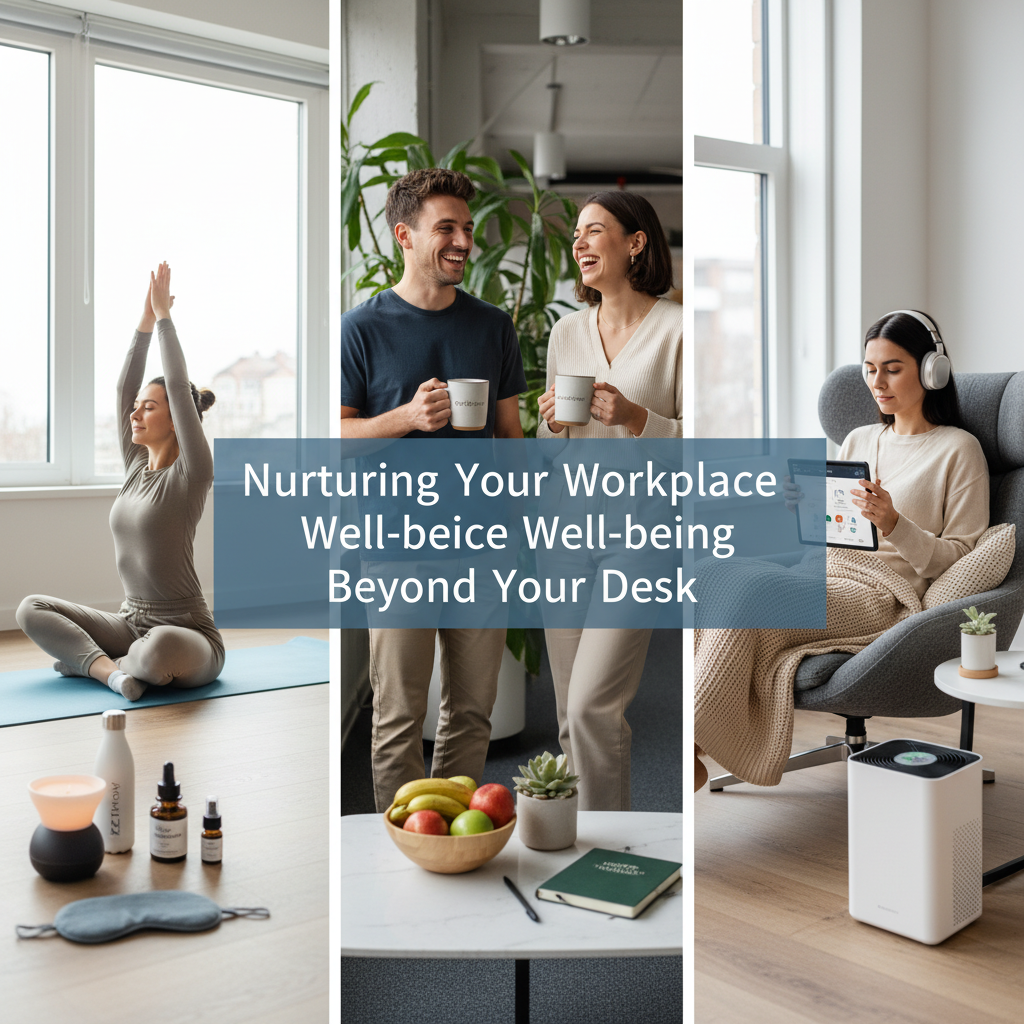
Your office environment isn’t just about your desk; it’s also about how you manage your energy, your breaks, and your interactions throughout the day. This is where we can really focus on workplace well-being.
The Power of Breaks and Movement
Sitting for long periods isn’t great for us. I try to remind myself to get up and move every hour or so. It doesn’t have to be a long break.
- Stretch It Out: A quick stretch at your desk or a walk to the water cooler can rejuvenate your body and mind.
- Hydrate and Fuel: Keep a water bottle handy and sip throughout the day. And instead of reaching for sugary snacks, try to have some healthy options nearby – nuts, fruit, or yogurt. Staying properly hydrated and fueled is crucial for maintaining energy and focus in your productive workspace.
- Step Away from the Screen: Even a five-minute walk around the office building or stepping outside for some fresh air can reset your focus and improve your overall office environment experience.
Managing Noise and Distractions
In a shared office environment, noise can be a big challenge. Everyone has different preferences for focus.
- Headphones are Your Friend: If you need to concentrate, a good pair of noise-canceling headphones can be a lifesaver. I often use them with instrumental music or ambient sounds to create my own little bubble.
- Communicate Your Needs: If you’re in a collaborative space, it’s okay to respectfully let colleagues know when you need a period of uninterrupted focus. Maybe a simple sign on your monitor, or a quick chat. Good communication fosters a more respectful and productive workspace for everyone.
Beyond Your Personal Space: Contributing to a Positive Office Environment
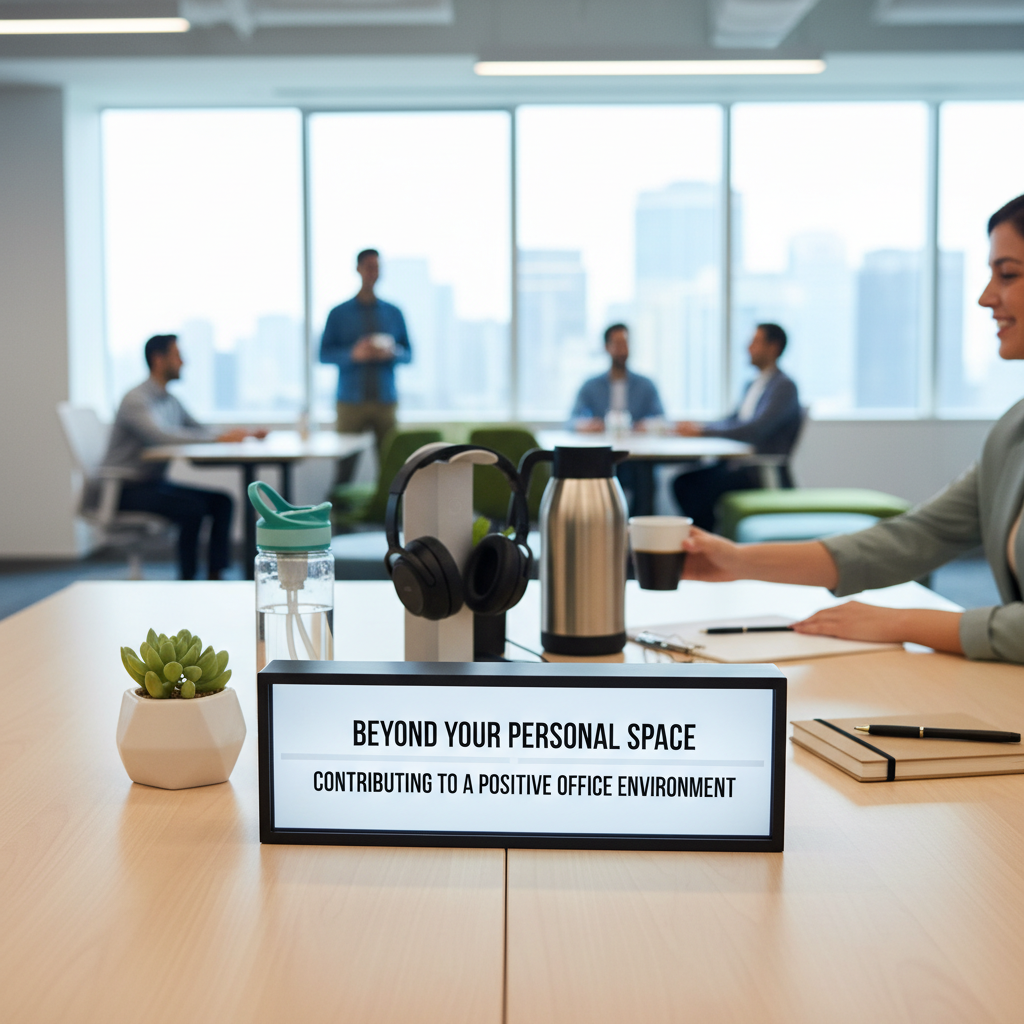
We’re all part of a larger ecosystem in the office, and our actions can affect others’ workplace well-being too. A positive office environment is a shared responsibility.
- Respect Shared Spaces: Keep common areas like kitchens and meeting rooms tidy. Little things like cleaning up after yourself or putting things back where they belong make a huge difference in how pleasant the overall office environment feels.
- Mind Your Volume: Be mindful of your phone calls and conversations, especially in open-plan settings. What might not bother you could be a major distraction for someone else trying to maintain their productive workspace.
- Offer a Helping Hand: Sometimes, just being a good colleague can elevate the entire atmosphere. A friendly greeting, an offer of assistance, or a word of encouragement can brighten someone’s day and contribute to a more positive and comfortable office for everyone.
These are just some thoughts about creating a better, more comfortable office experience for ourselves and for those around us. It’s about being intentional with our surroundings and our habits. Small changes can truly lead to a more productive workspace and a greater sense of workplace well-being. I hope these suggestions help you! If you have any thoughts or personal tips, feel free to share with me.